The Sweet Spot for Buying a Car
In my opinion, the ideal time to buy a vehicle is when it’s less than two years old.
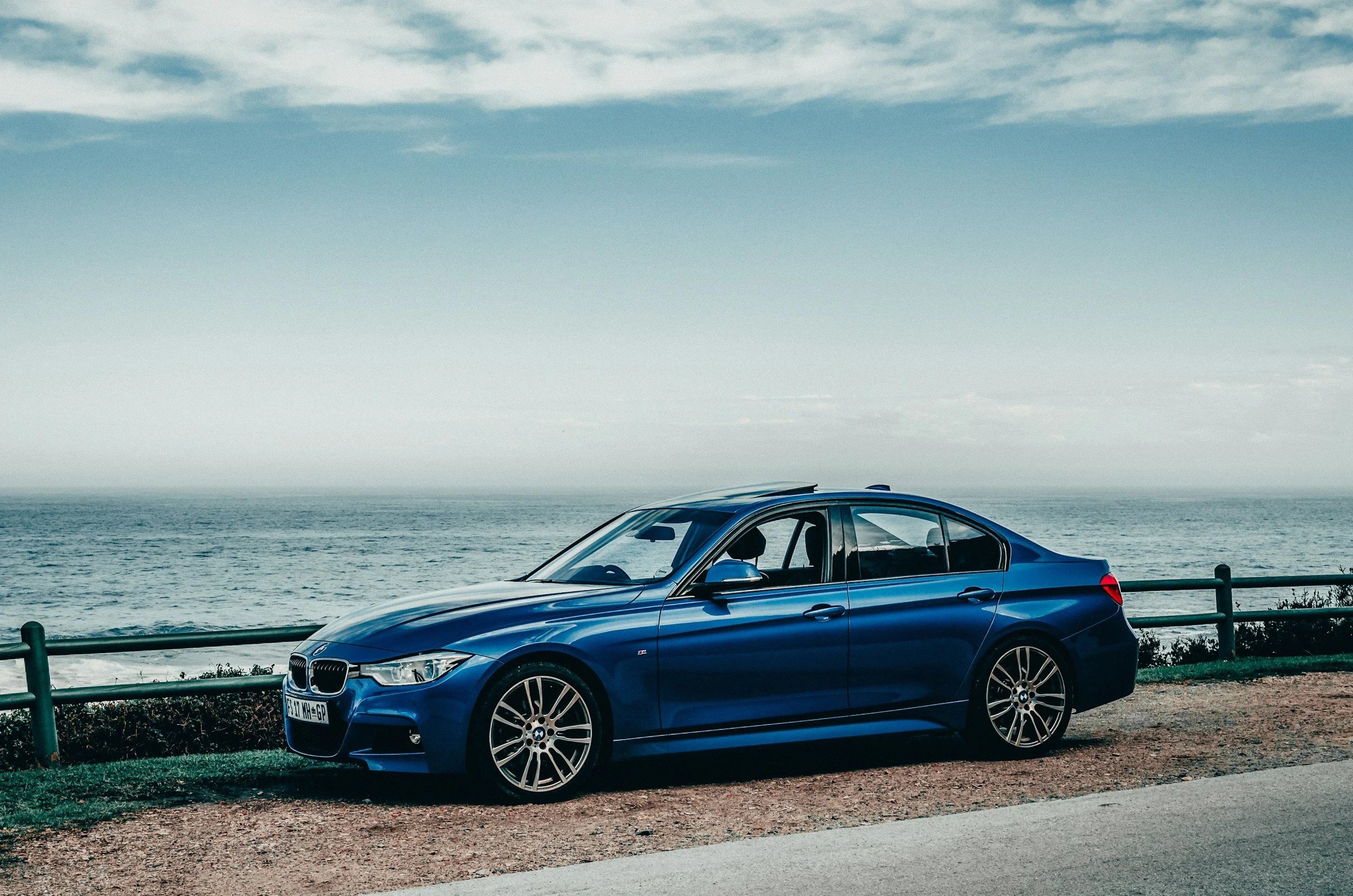
At that point, the car is technically used, but in many ways it still feels brand new (at least it will to you). It may have fewer than 25,000 miles, modern technology, and often part of the original manufacturer warranty remaining.
That matters because new cars typically experience the biggest depreciation during the first couple of years of ownership, especially in the first year. Many vehicles can lose 15%–25% of their value in year one alone, and some may lose 30%–40% or more within the first few years.
The first owner usually absorbs the steepest depreciation. By buying a car that’s one to two years old, you can often avoid much of that drop while still getting a fairly new vehicle.
Many luxury brands offer bumper-to-bumper warranties around four years or 50,000 miles. Some domestic brands, like Ford, commonly offer 3 years or 36,000 miles bumper-to-bumper coverage. The thing I like is just having a bumper-to-bumper warranty for a period of time of owning the car.
That means if you buy a vehicle that’s one to two years old, you may still have meaningful factory warranty protection remaining.
My preferred approach is simple:
Buy a car that’s one to two years old
Finance it for five years (60 months)
Maintain it properly
Keep driving it long after it’s paid off
If you do that, the math starts working in your favor.
By the time the car is around seven years old, it can be fully paid off and still have under 100,000 miles if you drive around 10,000–12,000 miles per year. And with proper maintenance, many vehicles today can last well beyond that.
Here is my personal experience with the last car I purchased.
I bought a BMW that was about a year and a half old. The original sticker price was around $60,000 new, but I purchased it for under $31,000. Think about the tax savings alone. It still had the factory warranty, which ended up mattering because the digital dash failed. Thankfully, it was replaced at no cost under the manufacturer's warranty.
Today, the car is fully paid off and has around 75,000 miles on it. Since I only drive about 7,500 miles per year, it still has plenty of life left. It’s been a great vehicle, gets good gas mileage, and overall has been an excellent value. I also still enjoying driving the vehicle.
To me, that’s the sweet spot: getting a fairly new vehicle at a much better price.
Cars today also don’t change dramatically year to year. Most of the core technology, safety features, and usability remain very similar. Buying a vehicle that’s a couple of years old often gives you 95% of the experience for significantly less money. The taxes alone if I purchased new would have been close to $6,000 as opposed to under $3,000.
And here’s the part many people miss.
Once the car is paid off, don’t immediately replace it with another payment. That’s where people reset the cycle and lose the financial advantage.
Instead, consider investing that payment every month into something as simple like an ETF or retirement account. Over time, that money can compound into something meaningful.
That’s how a smart car purchase can turn into a long-term financial advantage instead of a long-term expense.