Why I Passed on the “Perfect” House
About 10 years ago, a good friend of mine who also happened to be our realtor called with what he thought was the perfect house for our family.
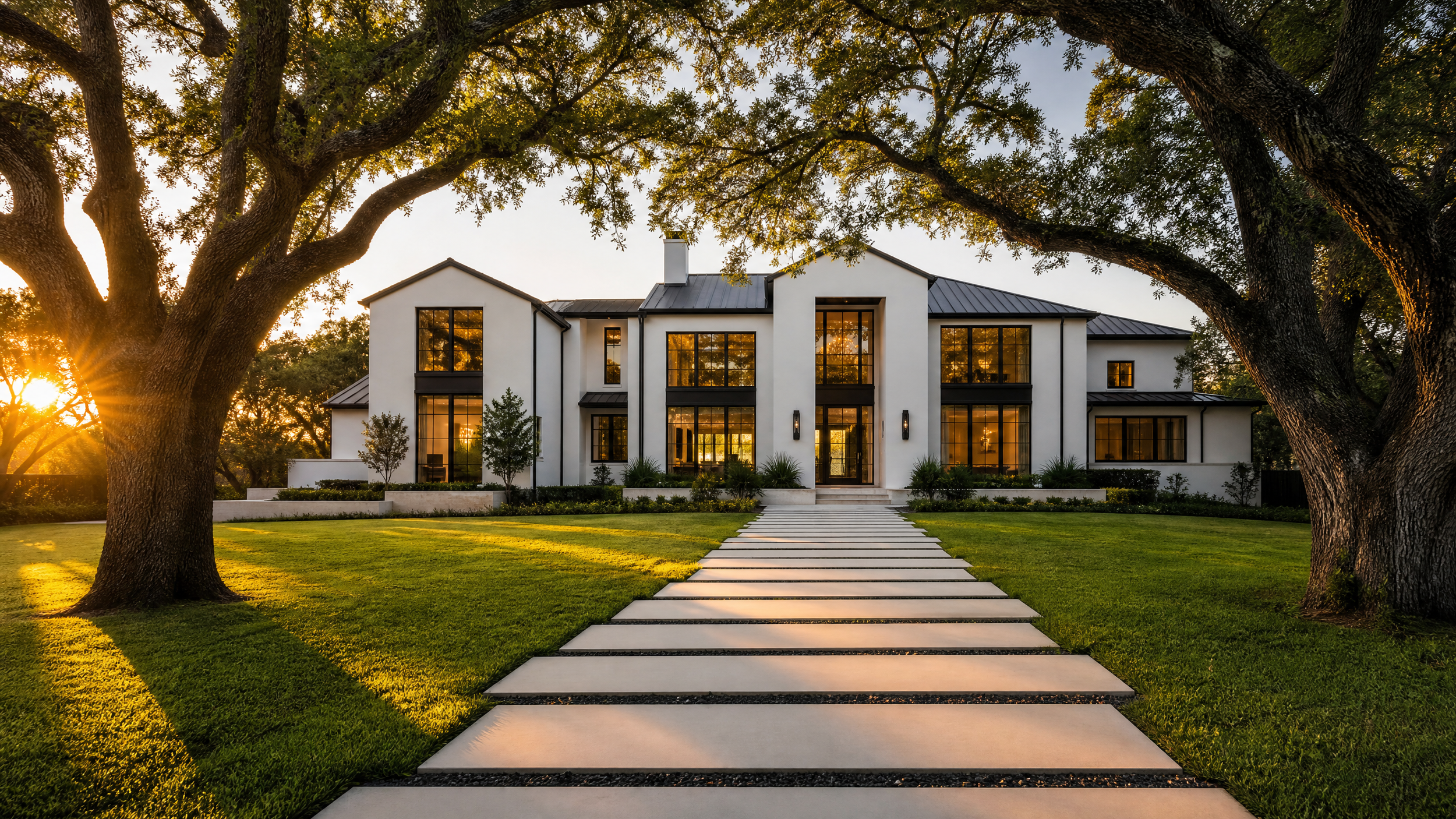
A beautiful home had been sitting on the market for a few months, and he thought it would be ideal for our family.
That weekend, my wife and I went to see it.
He was right.
The house was amazing.
It was larger than our current home, in a great location, and had everything we thought we wanted. As we drove home, we were already talking about what we might offer. We even called our mortgage broker to see how we could make it work.
Then I sat down and ran the numbers.
The Numbers Changed Everything
The first thing that jumped out was property taxes.
They would have nearly doubled.
That alone would have added a significant amount to our monthly housing costs. But that wasn’t the only expense:
Higher homeowner’s insurance
More maintenance and repairs
A larger yard to maintain
Higher utility bills
A brand-new mortgage amortization schedule
That last point is one many people overlook.
At the time, we had already been in our current mortgage for several years. More and more of each monthly payment was going toward principal and building equity.
By moving, we would have reset the clock.
A new mortgage means the early years are heavily weighted toward interest payments. We would have traded a mortgage that was working in our favor for one that primarily benefited the bank.
The more I looked at the numbers, the less attractive the “perfect” house became.
Lifestyle Needs Change
At the time, upgrading seemed logical.
We had two kids at home and could easily justify more space.
But here’s what I didn’t fully appreciate back then:
Life changes faster than you think.
Today, my son is in college and only home a few months each year.
My daughter is a senior and will likely be heading off to college soon.
The house that once felt a little small for four people now feels just about right.
In a few years, it may even feel large for just my wife and me.
Had we bought that bigger home, we’d now be paying significantly higher taxes, insurance, maintenance, and utility costs for space we no longer need.
The Real Cost of Buying Up
When people evaluate a move, they often focus on the mortgage payment.
That’s a mistake.
The true cost of a home includes:
Property taxes
Insurance
Maintenance and repairs
Utilities
Landscaping and upkeep
The interest cost of a new mortgage
The opportunity cost of tying up more money in housing
When you account for all of those expenses, the difference between your current home and your dream upgrade is often much larger than it appears.
Sometimes the Best Decision Is the One You Don’t Make
Looking back, passing on that house was one of the best money decisions I’ve made.
Not because it wasn’t a great house.
It was.
But the house we stayed in has served our family well, costs us less, and still fits our life today.
Before buying a larger home, ask yourself a simple question:
Am I buying for the next few years, or for the next 20 years?
Because while your lifestyle may change, the financial commitments you take on today can last for decades.
Sometimes the smartest move isn’t upgrading.
Sometimes it’s staying exactly where you are.